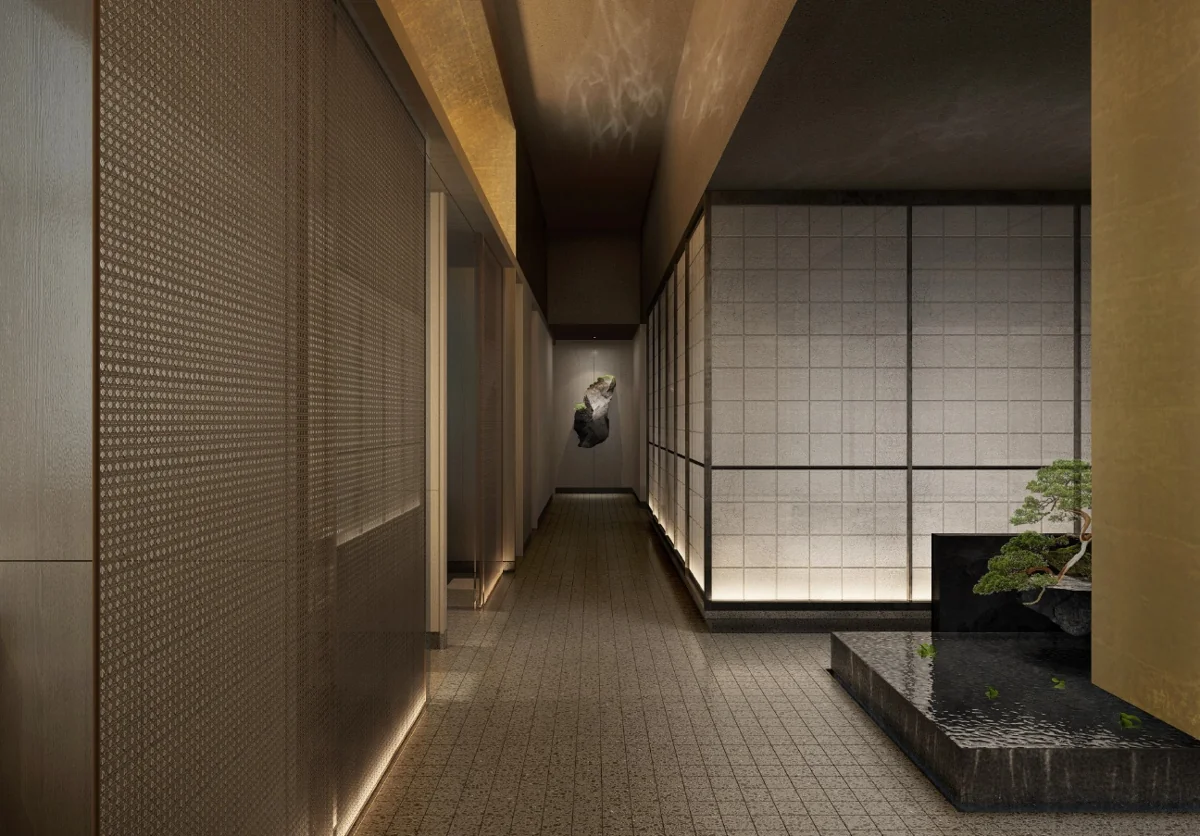
Interior Hotel Design Singapore: Distinctive & Memorable Hotel Design to Maximize ROI
Singapore, a global hub for business, tourism, and innovation, boasts a hotel landscape that reflects its vibrant culture, rapid urban growth, and diverse international clientele. As the demand for unique, unforgettable experiences rises, Interior Hotel Design Singapore has become an essential element for hoteliers aiming to stand out in an increasingly competitive market.
Hotel design is no longer just about aesthetics; it’s about creating high-performing environments that foster guest satisfaction, loyalty, and ultimately, a substantial return on investment (ROI). This article will explore how distinctive and memorable hotel design can directly impact a hotel’s financial success, elevating it from a mere place to stay to a must-visit destination.
Analyzing the Hospitality Landscape of Singapore
Singapore’s hospitality industry is known for its dynamic blend of luxury, modernity, and cultural heritage. With a growing influx of international tourists and a thriving business scene, the city remains one of the most competitive hotel markets in Asia. However, the challenge for hotel owners and operators is to differentiate themselves in this dense urban environment while staying true to the city’s cultural and historical context.
Key Considerations in Singapore’s Hospitality Market
- Tourism Demand & Business Travel: Singapore is a magnet for both leisure tourists and business travelers. The city hosts major events like Formula 1 Singapore Grand Prix, Singapore Art Week, and Singapore Grand Prix, which bring a high volume of visitors year-round. Business tourism, fueled by financial hubs and MICE (Meetings, Incentives, Conferences, and Exhibitions) demand, requires a hotel environment that accommodates professionals while offering high-end leisure amenities.
- Urban Competition & Hotel Landscape: In areas such as Marina Bay, Orchard Road, and Clarke Quay, hotel design must stand out amid intense competition. Hotels must not only offer luxury but also create a memorable experience to win repeat guests.
- Cultural Context & Design Trends: Singapore’s unique blend of cultures—Malaysian, Chinese, Indian, and more—demands that hotel design reflect both local heritage and contemporary style.
- Climate Conditions: Singapore’s tropical climate calls for innovative design solutions such as climate-responsive architecture, outdoor-indoor spaces, and efficient air circulation systems.
With such a competitive landscape, Interior Hotel Design Singapore is crucial in shaping environments that align with guest expectations while driving financial outcomes.
How Strategic Hotel Design Maximizes ROI
Creating a high-performing hotel is about more than just designing beautiful spaces. The key is strategic design thinking—developing environments that enhance the guest experience and foster guest loyalty, which ultimately leads to higher occupancy rates, premium pricing potential, and increased ROI.
1. Guest Experience as the Heart of Design
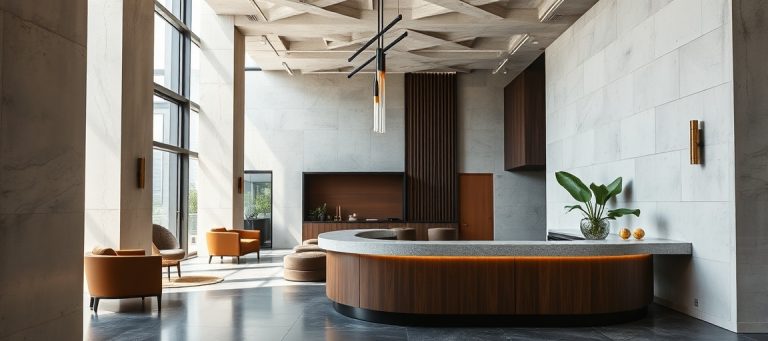
Designing with the guest experience in mind is at the core of maximizing ROI. From the moment guests walk in, the arrival experience should be welcoming, inspiring, and easy to navigate. First impressions are critical, and hotels must make the most of their entryways, lobbies, and reception areas to reflect the overall brand identity.
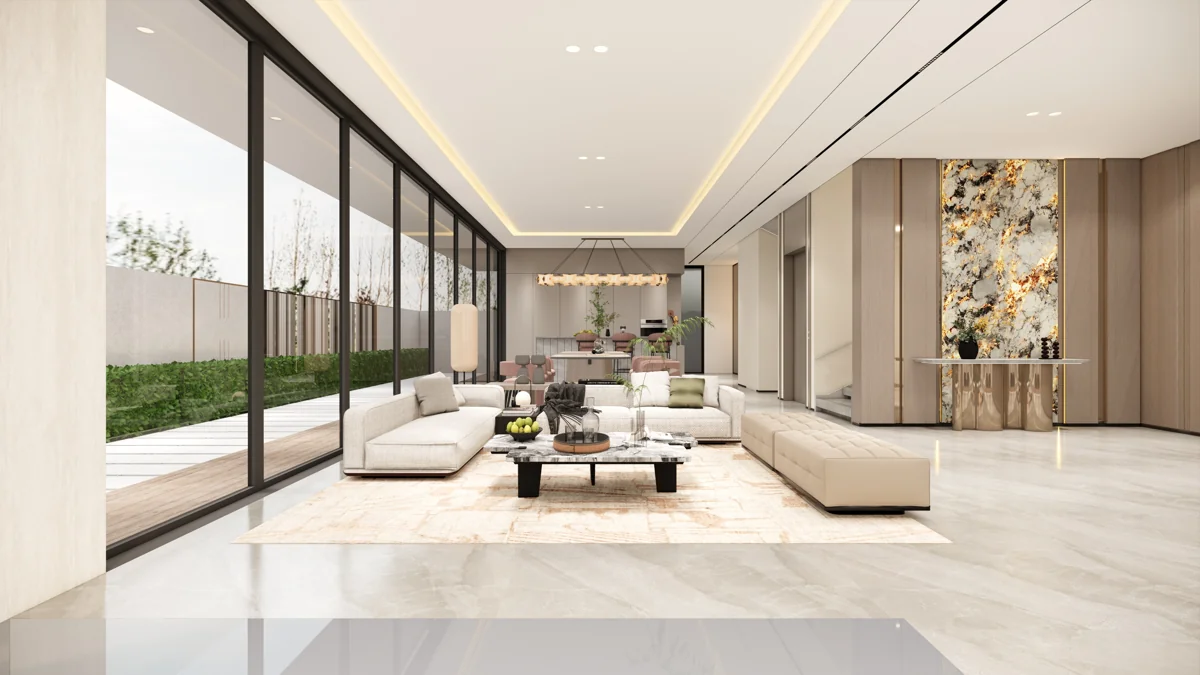
A striking, artful lobby not only creates a sense of place but also sets the tone for the entire stay. In Singapore, where the hotel market is crowded with options, unique and compelling design elements such as curated art installations, dynamic lighting, or green wall features can create instant recognition and long-lasting impact. This initial positive experience can help secure higher guest satisfaction and repeat bookings.
2. Brand Storytelling Through Design
Successful hotels today leverage design to tell a story. A well-crafted brand narrative is translated through thoughtful design choices, from colors and materials to textures and furniture. Whether a hotel draws inspiration from Singapore’s colonial past or embraces the country’s forward-thinking, innovative spirit, its design should reflect the values and vision of the brand.
By creating spaces that align with guest expectations, design establishes an emotional connection. For example, a boutique hotel in Singapore’s Chinatown might focus on incorporating local art and heritage-inspired design elements, while a high-rise hotel in the Marina Bay Sands area might favor sleek, modern lines that echo the city’s futuristic skyline. This storytelling through design deepens the guest experience and strengthens the overall brand positioning.
3. The Importance of Memorable Design Elements
Signature design features, often called “Instagrammable” moments, play a key role in creating organic marketing and increased social media visibility. In a city as photogenic as Singapore, a well-designed focal point or architectural feature can become an integral part of a hotel’s identity.
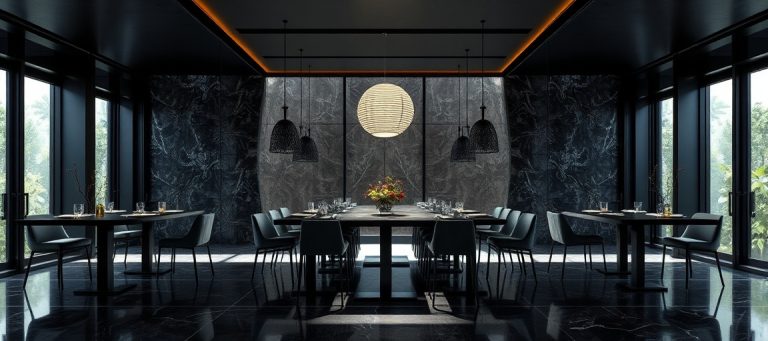
Think of rooftop infinity pools with stunning views of Marina Bay Sands, grand atriums, or show-stopping dining spaces. These design elements not only provide memorable guest experiences but also generate social media shares, turning guests into advocates for the hotel and attracting even more visitors.
This type of “social currency” contributes significantly to brand recognition and business growth.
4. Functional Spaces for Operational Efficiency
While aesthetics are important, operational efficiency is equally critical. Successful hotel interior design should create intuitive circulation paths, streamline staff workflows, and optimize space usage to improve both guest and staff satisfaction. For instance, back-of-house areas like kitchens, laundry, and service rooms should be seamlessly integrated into the design to ensure smooth operations.
Design choices such as durability of materials also contribute to long-term ROI. Choosing the right fabrics, flooring, and finishes can reduce maintenance costs and improve the hotel’s longevity. Singapore’s humid climate calls for durable materials that can withstand wear and tear while retaining their aesthetic appeal.
Key Areas of Hotel Design Impacting ROI
- Guest Rooms:
- Thoughtful spatial zoning ensures that rooms feel spacious and inviting.
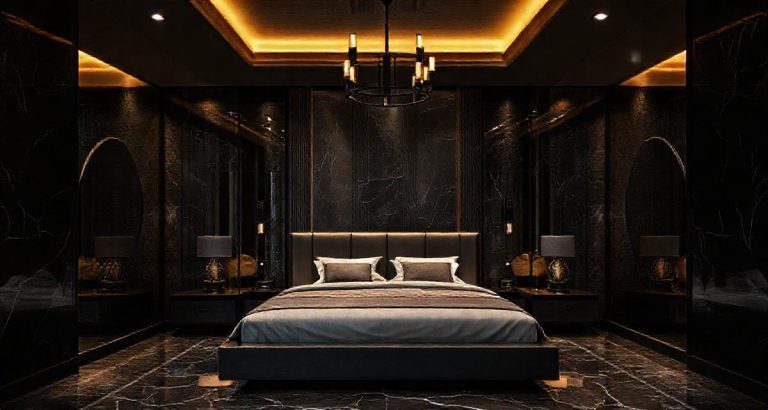
- Integration of smart tech, ergonomic furniture, and ample natural light enhances guest comfort.
- Restaurants & Bars:
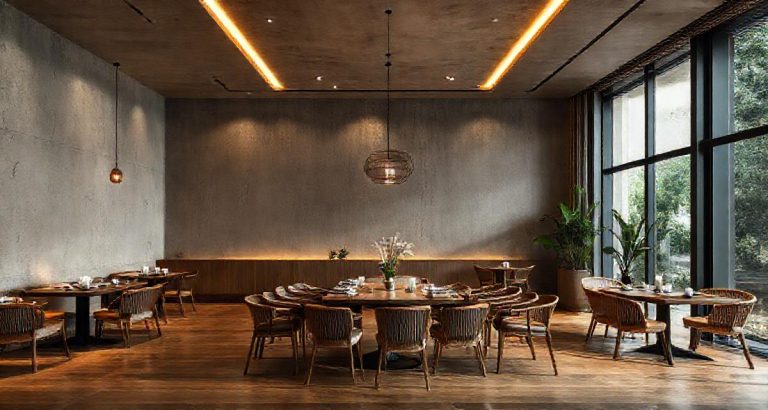
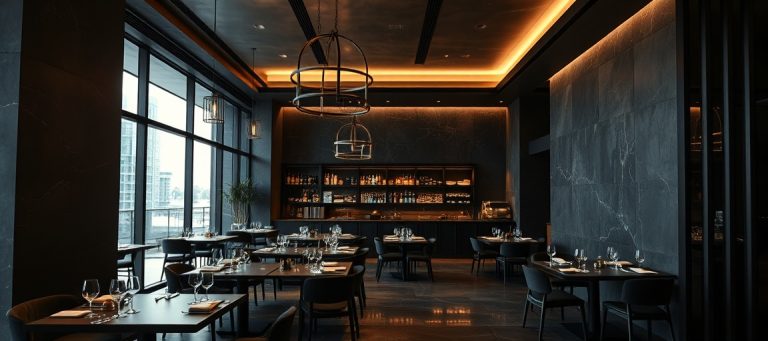
- Distinctive dining areas and bars designed for both aesthetic appeal and social interaction increase guest engagement and, consequently, spending.
- Social dining environments foster repeat visits, especially when the design integrates local flavors and experiences.
- Wellness Areas:
- Wellness and spa facilities have become a priority for both leisure and business travelers, with design choices centered around creating tranquil, restorative environments.
- Event & Conference Spaces:
- For business hotels, the design of MICE spaces can be a major revenue driver. Well-planned, adaptable spaces cater to a variety of events, while the overall design should support flow, lighting, and acoustics for seamless operations.
Conclusion: Crafting High-Performing Hotel Environments in Singapore
In Singapore’s competitive hotel market, Interior Hotel Design Singapore plays a crucial role in shaping spaces that deliver both unforgettable guest experiences and significant returns on investment. By focusing on strategic design principles—like brand storytelling, memorable design elements, operational efficiency, and creating sensory experiences—hotels can position themselves as destinations in their own right.
At our firm, we specialize in transforming hotel spaces into high-performing, visually stunning environments that maximize ROI. From concept development and spatial planning to construction coordination and final styling, we deliver end-to-end solutions tailored to the unique character of Singapore’s dynamic hospitality landscape.
By balancing creativity with functionality, we ensure that your hotel doesn’t just meet guest expectations—it exceeds them, creating long-term value for both guests and owners.
Connect with us in