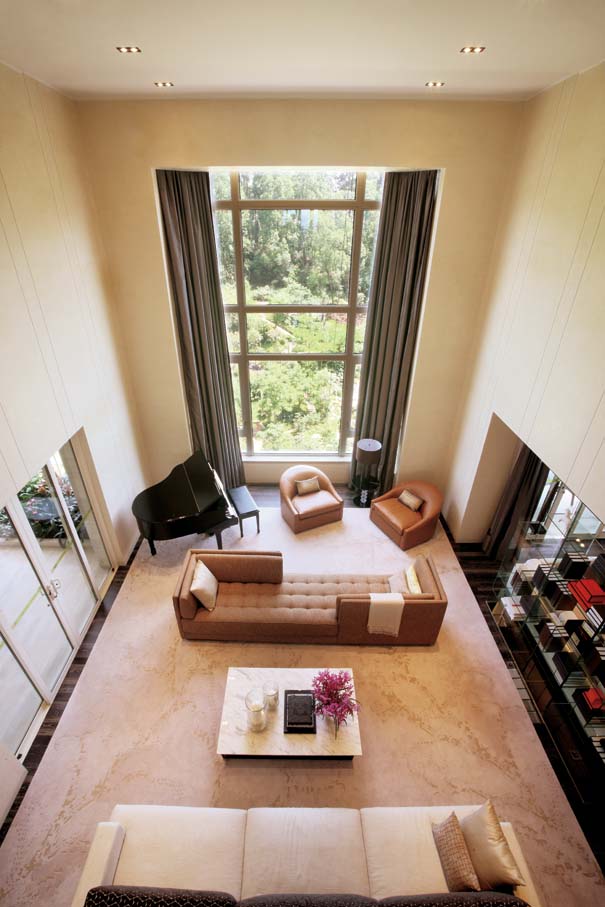
nterior Hotel Design in Singapore: Crafting Timeless Luxury Spaces
As a seasoned interior hotel designer with over 20 years of experience, I have witnessed the evolution of hospitality design across the globe. In cities like Singapore, where tourism and business intertwine seamlessly, the need for thoughtful, lasting design becomes even more crucial. This city-state, known for its forward-thinking architecture, dense urban fabric, and rich cultural heritage, demands hotel interiors that are not only visually striking but also functional and deeply immersive.
At its core, Interior Hotel Design in Singapore is about creating spaces that transcend time. It’s about crafting luxury that doesn’t just impress today, but remains relevant tomorrow and for years to come. But what exactly does “timeless luxury” mean, and how can it be effectively achieved within the ever-changing hospitality landscape of Singapore?
Understanding the Landscape of Singapore’s Hospitality Industry
Singapore’s hospitality market is a thriving blend of business, luxury, and boutique hotels, each catering to a diverse clientele. The city’s reputation as a financial hub attracts a steady stream of business travelers, while its vibrant culture and natural beauty draw tourists from around the world. Whether it’s a business hotel near Marina Bay, a boutique hotel in the bustling Chinatown, or a luxurious retreat along the East Coast, the demand for high-quality design is universal.
The competition is fierce, with well-established brands and newer entrants offering cutting-edge amenities and curated experiences. In such a competitive market, achieving differentiation becomes essential. But design alone isn’t enough—emotional connection, cultural relevance, and an elevated guest experience are the keys to long-term success.
Why Timeless Luxury Matters in Hotel Design
When discussing Interior Hotel Design in Singapore, timeless luxury is about creating spaces that not only look elegant but also age gracefully, outlasting fleeting trends. The luxury industry thrives on the ability to evoke emotion, and as such, it is essential that hotel interiors feel both contemporary and enduring. This can be achieved by balancing aesthetics with functionality—where every element, from materials to spatial design, works together to create an atmosphere that feels both refined and welcoming.
Timeless luxury isn’t about ornate opulence, but rather about subtle elegance. It focuses on material quality, spatial clarity, and refined detailing that remains relevant through changing trends and seasons. Think of it as a lasting impression—a design that speaks to both the present moment and the future.
Benefits of Timeless Design for Hotels:
- Longevity: Timeless designs don’t need constant updates, saving on renovation costs.
- Brand Value: A well-designed hotel with enduring appeal contributes to stronger brand recognition.
- Guest Satisfaction: Guests appreciate the attention to detail, comfort, and sophisticated atmosphere, leading to repeat visits.
- Higher ROI: Long-term relevance means higher occupancy rates, allowing for premium pricing positioning and a stronger competitive edge.
The Design Process: From Concept to Completion
Creating timeless luxury begins with a thoughtful, people-centric design philosophy. Here at [Our Firm], we believe in an integrated approach that blends concept development, brand storytelling, and spatial planning. We begin by understanding the specific needs of the hotel’s brand and the local context, ensuring every design element aligns with the broader vision of the space.
For example, in Singapore, where high density and diverse cultures are integral, the challenge is to create spaces that connect with both locals and international visitors while also responding to the city’s distinct architectural identity.
Key Design Elements in Achieving Timeless Luxury
- Proportion and Symmetry: Achieving a sense of balance is critical. Symmetry in design creates a feeling of order and harmony, important for both business and leisure travelers who seek tranquility.
- Material Curation: The use of local materials such as timber, natural stone, and sustainable fabrics enhances a hotel’s connection to the surrounding environment and culture. For example, integrating Singapore’s love for greenery into the design can add a unique dimension to the interiors.
- Lighting: Layering light in hotel spaces—from ambient to accent lighting—creates mood and enhances the aesthetic experience.
- Tactile Experience: Quality finishes, luxurious textures, and materials that engage the senses create lasting impressions. Guests often remember how a space feels just as much as how it looks.
- Architectural Integration: Combining interior design with the building’s architectural elements ensures that the space feels cohesive and natural, respecting the building’s structure while enhancing its function.
Responding to Local Context: Cultural Sensitivity & Climate-Responsive Design
Singapore is renowned for its tropical climate and high humidity levels. As such, climate-responsive design is critical. Hotels in Singapore need to be designed with this in mind—featuring open layouts, airy spaces, and seamless connections between indoor and outdoor environments. This also means selecting durable materials that can withstand the climate while remaining visually appealing.
Additionally, designing with cultural sensitivity is key. Singapore’s multicultural population demands that hotel interiors speak to a range of tastes, traditions, and expectations. Whether incorporating Peranakan elements in the design or embracing the city’s art deco legacy, integrating local culture into the design not only enriches the guest experience but also strengthens brand identity.
Design and Business Outcomes: Connecting with Guests
Timeless luxury does more than enhance aesthetic appeal—it drives measurable business outcomes. Thoughtfully designed spaces lead to:
- Increased Occupancy Rates: Well-designed hotels tend to attract higher demand, particularly if they offer unique or memorable experiences.
- Premium Pricing: Luxury design justifies higher price points, especially if it creates a memorable, emotionally engaging environment.
- Guest Loyalty: Guests return to hotels that provide comfort, beauty, and thoughtful design.
- Brand Differentiation: In a crowded market, hotels that invest in strong design will stand out and build a lasting reputation.
By focusing on timeless luxury, hotel owners can also reduce the need for frequent renovations. When design principles are carefully considered and executed, spaces continue to offer both visual and functional relevance, year after year.
Conclusion: Why [Our Firm] is Your Trusted Partner in Hotel Design
As a professional interior design firm specializing in hotel spaces, we understand the challenges and rewards of creating environments that stand the test of time. Interior Hotel Design in Singapore is about more than just aesthetics—it’s about crafting spaces that respond to both global standards and local expectations. Our expertise lies in delivering designs that are elegant, functional, and emotionally engaging, ensuring your hotel remains relevant, memorable, and commercially successful for years to come.
From the bustling streets of Orchard Road to the serene shores of Sentosa, we tailor our designs to Singapore’s unique identity, elevating your brand and creating lasting impressions. Let’s craft a space that not only meets expectations but exceeds them.
By aligning design with both local and global expectations, your hotel can provide a luxury experience that resonates with both guests and the market. If you’re ready to elevate your hotel interiors with timeless, luxury design, we’re here to guide you every step of the way.
Connect with us in


