- 172
Interior Design Singapore | From Destinations to Living Environments
Hospitality Is No Longer Just About Staying Somewhere
Hospitality design is entering a new era. Interior Design Singapore
In 2026 and beyond, hotels, resorts, and lifestyle destinations are no longer designed simply as places for temporary stays. They are becoming immersive living environments—spaces where people work, socialize, recharge, connect, and seek emotional belonging.
The boundaries between hospitality, residential living, and workplace culture are dissolving. Travelers now move fluidly between leisure and business, between remote work and personal wellbeing, between private retreat and social interaction.
At our firm, we see this transformation as one of the most important shifts in modern design culture. Hospitality today is no longer about destination alone—it is about experience, adaptability, and emotional resonance.
In Singapore, this evolution is especially visible. From Marina Bay’s luxury developments to the lifestyle-focused hospitality concepts emerging in Tanjong Pagar, Bugis, and Sentosa, the city’s hospitality landscape is becoming increasingly experience-driven, globally connected, and wellness-oriented.
This is where interior Design Singapore becomes more than aesthetics. It becomes the creation of living ecosystems shaped around people, movement, and meaning.
The Shift from Destination to Living Environment
The hospitality environment of today serves many roles simultaneously.
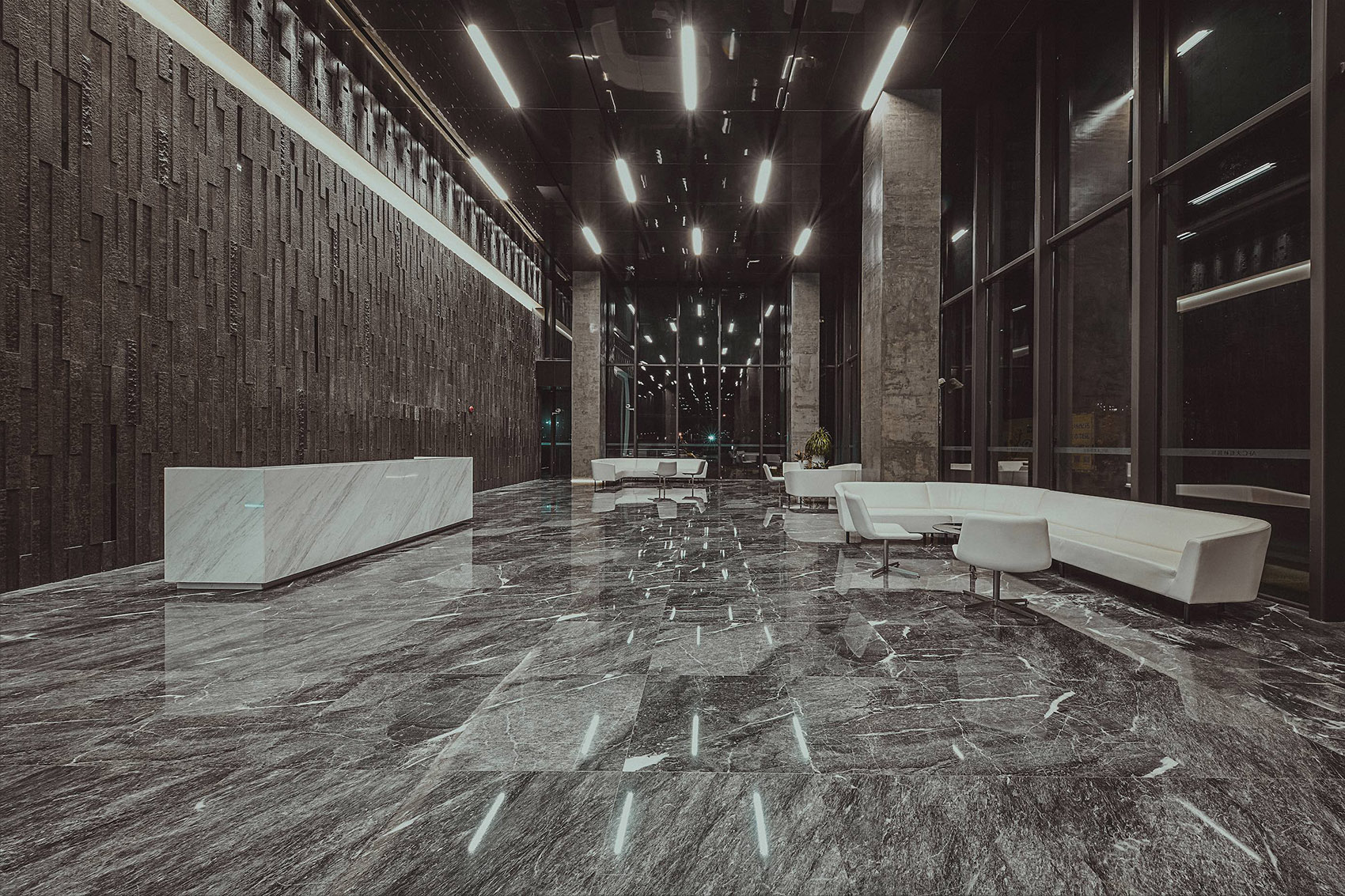
A hotel lobby may become a coworking lounge by day and a social destination by evening. A resort may integrate wellness programs, cultural experiences, and flexible living suites designed for long-term stays.
This shift reflects broader lifestyle changes:
- Hybrid work culture
- Digital nomadism
- Wellness-focused travel
- Experience-led consumption
- Flexible living patterns
Hospitality spaces are increasingly expected to feel intuitive, emotionally engaging, and adaptable to multiple modes of living.
Di Singapore, di mana gaya hidup urban sangat pantas dan global, orang mencari ruang yang bukan sekadar cantik—tetapi juga terasa hidup dan bermakna.
This is the future of interior Design Singapore: environments that support not only guests, but entire lifestyles.
Hospitality Design in the Experience Economy
Luxury is being redefined.
Today’s travelers value emotional connection and authenticity far more than traditional symbols of excess. What people remember most is not necessarily the size of a suite or the cost of a material, but how a space made them feel.
This is why hospitality design is increasingly centered around:
- Atmosphere and emotional tone
- Sensory engagement
- Local storytelling
- Human interaction
- Personalization and memory
Successful hospitality environments create moments that feel immersive and emotionally layered.
At our firm, we design with this emotional dimension in mind—using light, materiality, texture, acoustics, and movement to shape experiences that feel intuitive and memorable.
In interior Design Singapore, this often translates into sophisticated yet calming environments where urban luxury meets emotional warmth.
The Blurring of Hospitality, Residential & Workplace Design
One of the most significant changes in hospitality design is the merging of multiple typologies.
Hotels now feel more residential. Offices borrow from hospitality. Branded residences adopt resort-inspired experiences. Lifestyle spaces become multifunctional ecosystems.
This convergence is reshaping how spaces are designed.
Modern hospitality environments increasingly include:
- Residential-style lounges and communal kitchens
- Flexible coworking and meeting areas
- Social activation zones
- Wellness and fitness experiences
- Multifunctional public spaces
In Singapore’s mixed-use developments—particularly around Orchard Road, Marina Bay, and Paya Lebar—this integration is becoming increasingly common.
The result is a new form of spatial experience where living, working, and hospitality coexist seamlessly.
This evolution defines contemporary interior Design Singapore today.
Designing for Wellness & Human Connection
Wellbeing is no longer a luxury feature—it is a core expectation.
Modern hospitality spaces must support mental restoration, physical comfort, and social interaction in increasingly fast-paced lifestyles.
We approach wellness holistically through:
- Biophilic design and natural greenery
- Access to daylight and fresh air
- Acoustic comfort and sensory balance
- Warm tactile materials
- Wellness amenities and quiet retreat spaces
Kadang-kadang, ketenangan adalah kemewahan sebenar.
In hospitality environments, emotional comfort matters just as much as visual beauty.
This is why interior Design Singapore increasingly focuses on spaces that feel restorative rather than overstimulating—especially within dense urban environments where moments of calm have become increasingly valuable.
Technology & the Future Guest Experience
Technology is transforming hospitality—but human connection must remain at the center.
Smart systems, AI-driven personalization, and seamless digital integration are redefining guest expectations. Yet the challenge lies in ensuring technology enhances experience without removing emotional warmth.
Modern hospitality environments now integrate:
- Smart room automation
- Personalized guest experiences through data
- Frictionless check-in systems
- Adaptive lighting and environmental controls
- Integrated digital concierge services
At our firm, we believe technology should feel invisible—supporting comfort and convenience while allowing the space itself to remain emotionally human.
In interior Design Singapore, this balance is particularly important within luxury hospitality environments where sophistication and warmth must coexist naturally.
Designing Hospitality Spaces in Singapore
Singapore presents a uniquely sophisticated hospitality landscape.
As one of Asia’s leading global lifestyle and business capitals, the city demands hospitality environments that are compact, highly efficient, culturally refined, and internationally competitive.
Key design considerations include:
Urban Density
Space optimization and multifunctional planning are essential in high-density environments.
Tropical Climate
Indoor-outdoor transitions, shaded terraces, and greenery soften the urban experience.
Lifestyle Hospitality
Travelers increasingly seek boutique, immersive, and socially activated experiences.
Global Guest Expectations
Hospitality spaces must compete with world-class standards found in cities like Tokyo, Dubai, and London.
In this context, interior Design Singapore becomes an opportunity to create hospitality environments that feel emotionally rich, culturally relevant, and globally sophisticated.
Our Hospitality Design Approach
Our process is strategic, holistic, and deeply centered around human experience.
1. Concept Strategy
We define the emotional and operational vision of the hospitality environment.
2. Guest Journey Mapping
Every touchpoint is carefully choreographed—from arrival to departure.
3. Spatial Planning
Layouts are designed for flexibility, comfort, and intuitive circulation.
4. Material & Lighting Curation
Atmosphere is crafted through tactile materials, layered lighting, and sensory detail.
5. Operational Understanding
We balance guest experience with long-term operational efficiency.
6. Execution & Refinement
Every detail is carefully realized to preserve design integrity and emotional quality.
This methodology allows us to create hospitality environments that are timeless, immersive, and commercially meaningful.
Our Perspective
At our firm, we believe the future of hospitality lies in creating environments that feel deeply human.
The most successful spaces are no longer defined by style alone, but by how effectively they support emotion, wellbeing, flexibility, and meaningful interaction.
We create hospitality environments where:
- Lifestyle and functionality coexist
- Luxury feels calm and authentic
- Technology supports rather than dominates
- Design creates emotional memory
That is our perspective on interior Design Singapore—future-ready hospitality shaped through atmosphere, human experience, and timeless design thinking.
Let’s Rethink the Future of Hospitality Together
The hospitality industry is evolving rapidly, and the environments we create must evolve with it.
For hotel owners, developers, operators, and lifestyle brands, this is an opportunity to move beyond conventional hospitality models and create spaces that feel immersive, adaptable, and emotionally engaging.
Jika anda ingin mencipta pengalaman hospitality yang lebih relevan untuk masa depan, our firm is ready to help.
Together, we can create hospitality environments that redefine how people live, work, connect, and experience Singapore.
Connect with us in


