Interior Design Singapore: Workplace, Hospitality & Retail Specialists
Singapore stands as one of the world’s most refined urban ecosystems—dense, efficient, and globally competitive. From the financial energy of Raffles Place to the creative pulse of Tanjong Pagar and the retail magnetism of Orchard Road, the city demands environments that are not only visually compelling but also strategically designed to perform.Singapore Interior Design
In such a high-performance landscape, interior Design Singapore is no longer about isolated aesthetics. It is about crafting multi-sector environments—workplaces, hospitality venues, and retail destinations—that respond intelligently to user behavior, brand identity, and commercial goals.
As designers, we see every space as an opportunity to shape experience. “Can or not?” in Singapore often means finding a way to make things work beautifully and efficiently—and that’s exactly what we do through design.
Understanding Singapore’s Commercial Landscape
Singapore’s economy thrives on finance, technology, tourism, and retail. Its compact urban form has led to the rise of mixed-use developments, where offices, hotels, retail, and leisure spaces coexist within a single ecosystem.
This creates unique design challenges and opportunities:
- High-density environments require efficient spatial planning
- Competitive markets demand strong brand differentiation
- Experience-driven consumers expect more than functional spaces
- Global audiences require culturally nuanced yet internationally appealing design
In this context, interior Design Singapore must be adaptive, strategic, and deeply experiential.
Designing Across Sectors: A Strategic Approach
Multi-sector design is not about applying one formula everywhere. Each sector—workplace, hospitality, and retail—requires a distinct design mindset, while still benefiting from shared principles and cross-industry insights.
Workplace: Designing for Performance & People
Modern workplaces in Singapore are evolving rapidly. With hybrid work becoming the norm, offices are transforming into collaboration hubs rather than static workstations.
Key strategies include:
- Activity-Based Working (ABW): Offering diverse spaces for focus, collaboration, and social interaction
- Flexible Zoning: Allowing teams to adapt spaces based on their needs
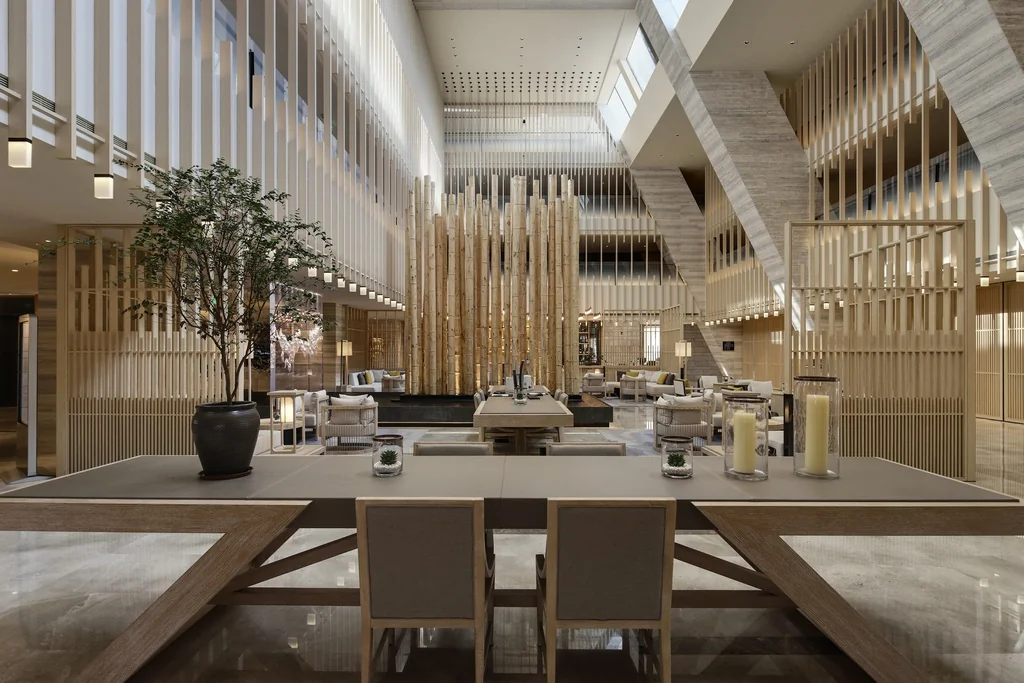
- Wellbeing-Centric Design: Integrating natural light, greenery, and ergonomic solutions
A well-designed workplace is not just efficient—it is energizing. It encourages connection, creativity, and productivity.
Hospitality: Crafting Memorable Guest Experiences
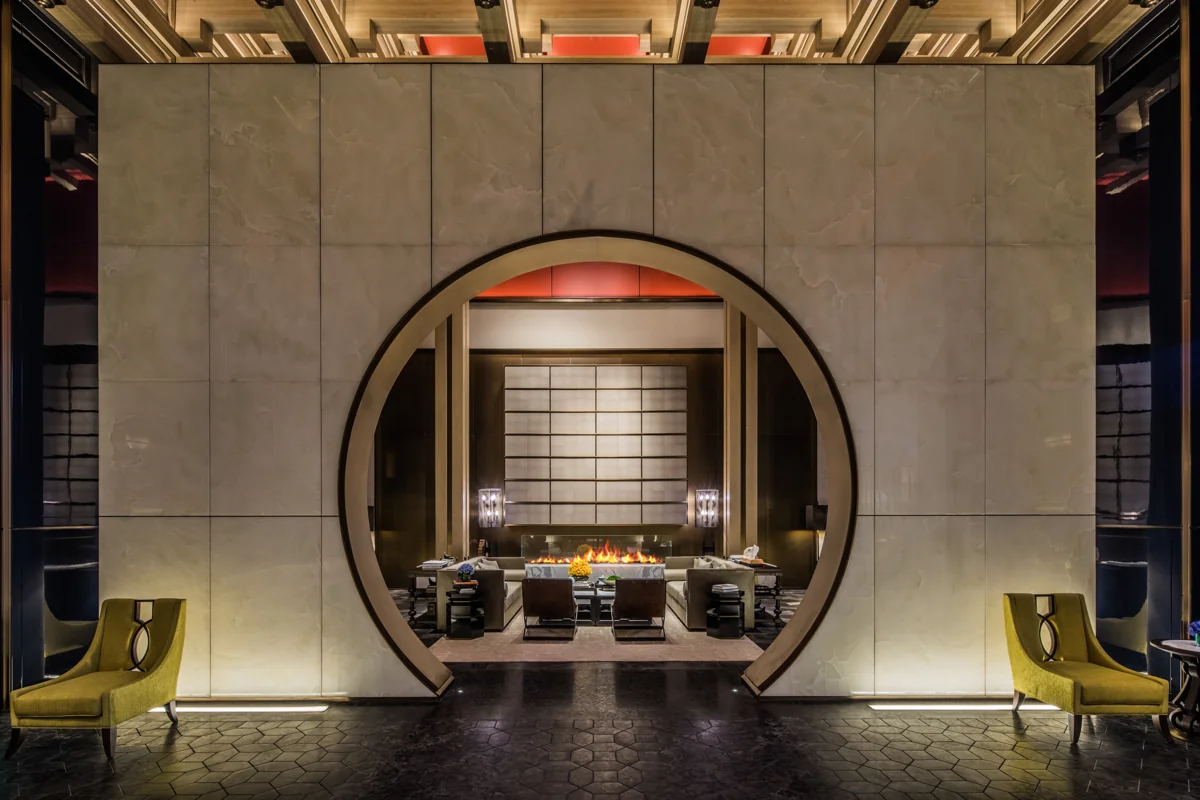
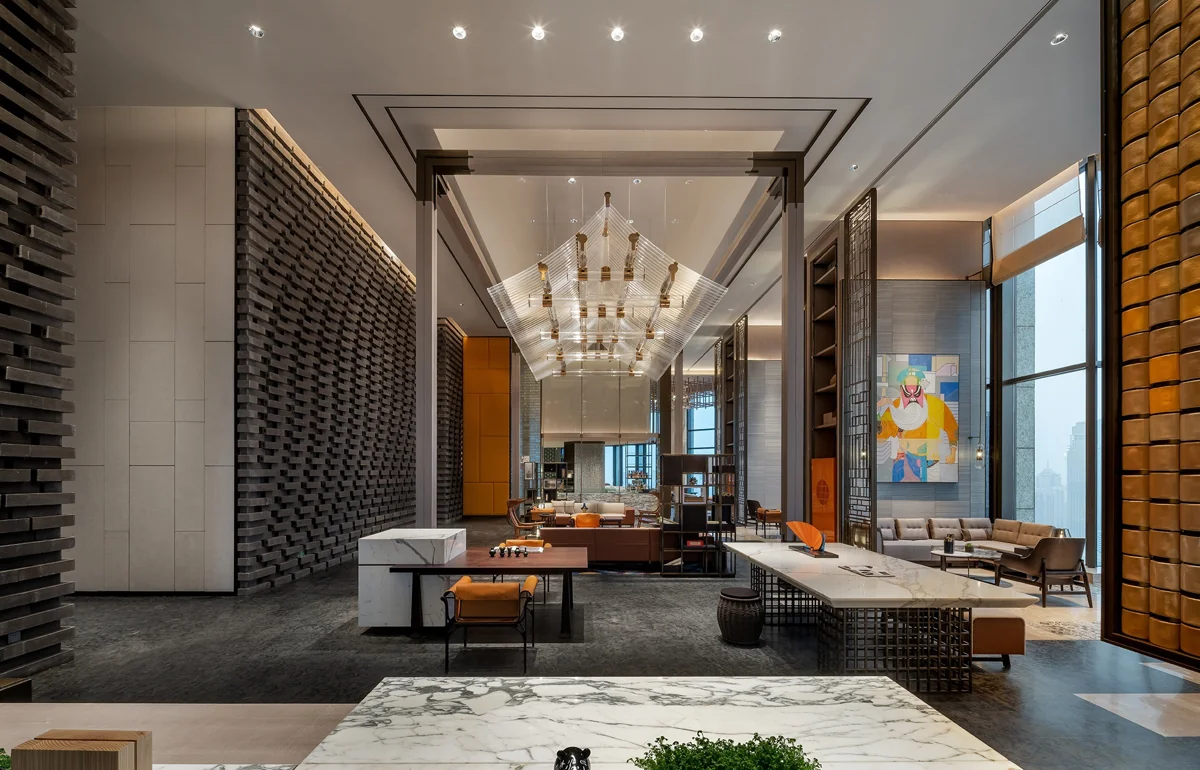
In hospitality, design shifts from productivity to emotional engagement. Hotels in Singapore compete not just on service, but on experience and identity.
Design must:
- Tell a compelling brand story
- Create memorable arrival and lobby experiences
- Balance luxury with operational efficiency
- Offer “Instagrammable” moments that amplify visibility
With rising guest expectations and loyalty dynamics becoming more complex, hotels must rely on design differentiation to stand out and retain guests.
“Shiok!”—that feeling of delight—is what every hospitality space should deliver.
Retail: Designing for Engagement & Conversion
Retail environments in Singapore are among the most sophisticated in the world. From luxury boutiques to lifestyle malls, design plays a critical role in attracting and retaining customers.
Effective retail design focuses on:
- Spatial flow: Guiding customers intuitively through the store
- Visual merchandising: Highlighting products strategically
- Experiential elements: Creating immersive environments that encourage exploration
In today’s retail landscape, stores are not just places to shop—they are brand experiences that drive emotional connection and loyalty.
Cross-Pollination: The Power of Multi-Sector Thinking
One of the greatest strengths of a multi-sector design approach is the ability to transfer ideas across industries:
- Applying hospitality warmth to workplace environments
- Bringing retail storytelling into office and commercial spaces
- Integrating brand-driven thinking across all sectors
This cross-pollination creates spaces that are more dynamic, engaging, and future-ready. It allows design to go beyond function and become a strategic tool for business success.
The Design Process: From Vision to Reality
At our firm, every project begins with a deep understanding of context, user behavior, and business objectives.
Our process includes:
1. Concept Development & Strategy
We define the core idea that will guide the entire project—aligning brand identity with user experience.
2. Spatial Design & Planning
Efficient layouts, clear circulation, and thoughtful zoning ensure that spaces function seamlessly.
3. Material Curation & Detailing
We select materials that balance aesthetics, durability, and sensory experience.
4. Visualization & Technical Documentation
Detailed drawings and visualizations bring clarity and precision to the design.
5. Construction Coordination
We ensure that the design is executed flawlessly, maintaining quality from concept to completion.
This end-to-end approach ensures that every space is delivered with clarity, consistency, and excellence.
Key Elements That Define High-Performance Spaces
Across all sectors, certain design principles remain essential:
- Spatial Flow: Seamless movement enhances user experience
- Lighting Strategy: Shapes mood, highlights features, and improves functionality
- Material Selection: Balances beauty with durability
- Acoustic Comfort: Supports focus and relaxation
- Ergonomic Planning: Ensures comfort and usability
- Technology Integration: Enables smart, connected environments
These elements work together to create spaces that are both functional and emotionally engaging.
Designing with Local Identity, Global Standards
Singapore’s cultural diversity is one of its greatest strengths. Design must reflect this richness while maintaining a global level of sophistication.
By integrating local textures, cultural references, and lifestyle nuances, we create spaces that feel authentic and relevant—yet refined and internationally competitive.
“Balance lah”—finding harmony between local character and global appeal—is at the heart of our design philosophy.
Driving Measurable Business Outcomes
Great design is not just seen—it is felt and measured.
Strategic interior Design Singapore delivers:
- Stronger brand positioning
- Enhanced user and guest experiences
- Increased customer engagement and conversion
- Improved employee satisfaction and productivity
- Long-term value and operational efficiency
Design becomes a business asset, not just a visual layer.
A Trusted Multi-Sector Design Partner
In a city as dynamic as Singapore, the ability to design across sectors is not just an advantage—it is essential.
At our firm, we specialize in creating high-impact commercial environments that seamlessly integrate workplace, hospitality, and retail design principles. Through a people-centric and strategic approach, we craft spaces that are not only visually compelling but also designed to perform.
With interior Design Singapore, we transform environments into experiences, businesses into brands, and spaces into destinations.
Because in the end, great design is not just about how a space looks—
it’s about how it works, feels, and succeeds.
Connect with us in