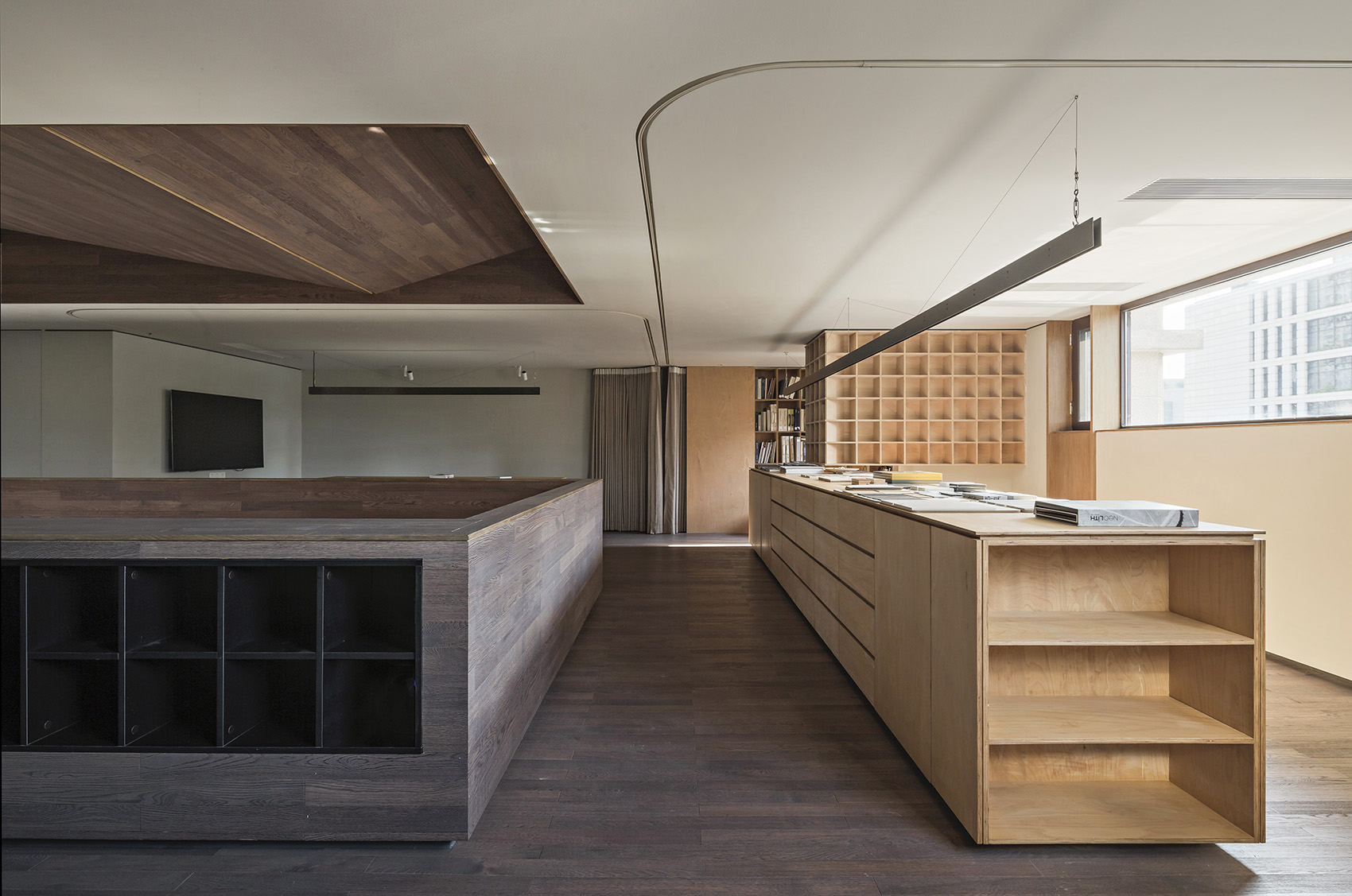
Interior Design Singapore | Setting a New Standard for Modern Workplaces
Singapore stands as one of Asia’s most sophisticated business ecosystems—compact, highly efficient, and globally connected. From the financial towers of Raffles Place to the innovation clusters in one-north and Marina Bay, workplaces here are evolving rapidly in response to shifting economic patterns, hybrid work models, and rising expectations from a competitive talent market.Interior Design Singapore
As a designer who deeply believes in emotional, human-centered spaces, I see Interior Design Singapore not just as a creative discipline, but as a strategic response to how work itself is transforming—“kerja pintar, bukan kerja keras” (work smart, not just hard).
A Market Shaped by Precision and Performance
Recent market insights reveal a broader story: after years of expansion, industries are entering a phase of recalibration. Occupiers are becoming more selective, prioritizing quality, efficiency, and long-term value. This “flight-to-quality” mindset—seen in real estate trends globally—is equally reflected in how companies approach their office environments.
In Singapore, where space is premium and expectations are high, this translates into workplaces that must perform at multiple levels: operational efficiency, employee wellbeing, brand expression, and adaptability.
Hybrid work is no longer a trend—it is the baseline. Co-working, flexible leases, and agile team structures are shaping a new kind of office: one that is less about permanence and more about purpose.
Redefining the Workplace Through Strategy
Modern offices are no longer defined by rows of desks. Instead, they are guided by workplace strategy—a thoughtful framework that aligns space with behavior, culture, and business goals.
At the heart of this transformation is activity-based working (ABW). Rather than assigning fixed desks, employees move fluidly between spaces designed for specific tasks:
-
Focus pods for deep concentration
-
Collaborative hubs for teamwork and ideation
-
Social lounges for informal interaction
-
Quiet wellness corners for mental recharge
This layered approach allows organizations to balance productivity with flexibility—something especially vital in Singapore’s fast-paced, high-performance culture.
Designing for Flow, Function, and Feeling
Every design decision must translate into a meaningful spatial experience. In our firm’s approach to Interior Design Singapore, we focus on several core principles:
1. Intelligent Space Planning
In a city where every square meter matters, efficiency is everything. We design layouts that maximize usability while maintaining openness and comfort.
2. Seamless Circulation
Movement should feel intuitive. Whether in a high-rise office in Tanjong Pagar or a creative hub in Bugis, circulation flow must reduce friction and enhance productivity.
3. Ergonomics and Comfort
Long working hours demand environments that support physical wellbeing—adjustable furniture, proper posture alignment, and human-scale design.
4. Lighting and Atmosphere
Natural light is a luxury in dense urban settings, so we layer lighting strategies to create balance—bright for focus, soft for relaxation.
5. Acoustic Balance
In open-plan offices, sound becomes a critical factor. Acoustic panels, zoning, and material choices help maintain clarity and calm.
6. Materiality and Texture
We carefully select materials that reflect both durability and emotion—warm woods, tactile fabrics, and subtle finishes that resonate with Singapore’s refined aesthetic.
Technology as an Invisible Backbone
Singapore is a leader in smart infrastructure, and workplaces must reflect that.
From occupancy sensors to AI-driven space analytics, technology is seamlessly integrated into design—not as a feature, but as an invisible enabler. These systems help organizations understand how spaces are used, optimize layouts, and support hybrid work patterns in real time.
Digital connectivity, wireless collaboration tools, and smart meeting environments ensure that physical and virtual workspaces operate as one cohesive ecosystem.
Designing for Different Workplace Typologies
No two organizations are alike, and neither should their offices be.
-
Corporate Headquarters
Focus on brand identity, executive presence, and structured collaboration -
Startups and Tech कंपनियाँ
Agile, modular layouts that evolve with rapid growth -
Co-working Spaces
Community-driven environments that encourage networking and flexibility -
Enterprise Offices
Balanced ecosystems that integrate scale, efficiency, and employee experience
Each typology requires a tailored workplace strategy—one that reflects not just what the company does, but how it thinks and operates.
The Rise of Experience-Led Design
In today’s competitive talent market, the office has become a powerful tool for attraction and retention. Employees are no longer satisfied with functional spaces—they seek environments that inspire, connect, and nurture.
Biophilic design, for instance, introduces greenery and natural elements to counterbalance urban density. Wellness rooms, café-style pantries, and social hubs create moments of pause and connection.
These are not luxuries—they are essentials in shaping a workplace where people feel valued.
From Design to Measurable Impact
Great design is not just seen—it is felt in performance metrics.
A well-designed office can:
-
Improve space utilization and reduce operational costs
-
Enhance collaboration efficiency across teams
-
Support hybrid work without compromising productivity
-
Strengthen brand identity and company culture
-
Increase employee satisfaction and retention
This is where Interior Design Singapore becomes a business strategy—transforming space into a measurable asset.
Setting a New Standard for the Future of Work
To set a new standard in workplace design is to think beyond the present. It means creating environments that are adaptable, human-centered, and resilient in the face of change.
At our firm, we partner with organizations from concept to completion—translating vision into reality. We don’t just design offices; we craft ecosystems where people thrive, ideas flourish, and businesses grow.
Because in a city like Singapore, where excellence is the norm, the workplace should be nothing less than extraordinary—“boleh lebih baik lagi” (it can always be better).
Connect with us in


